Our Story
Born from loss.
Driven by purpose.
North America Rehabilitation Counseling (NARCO) exists because a father refused to let his son's sacrifice be in vain — and because too many veterans and families are left behind by a mental health system that isn't reaching them.
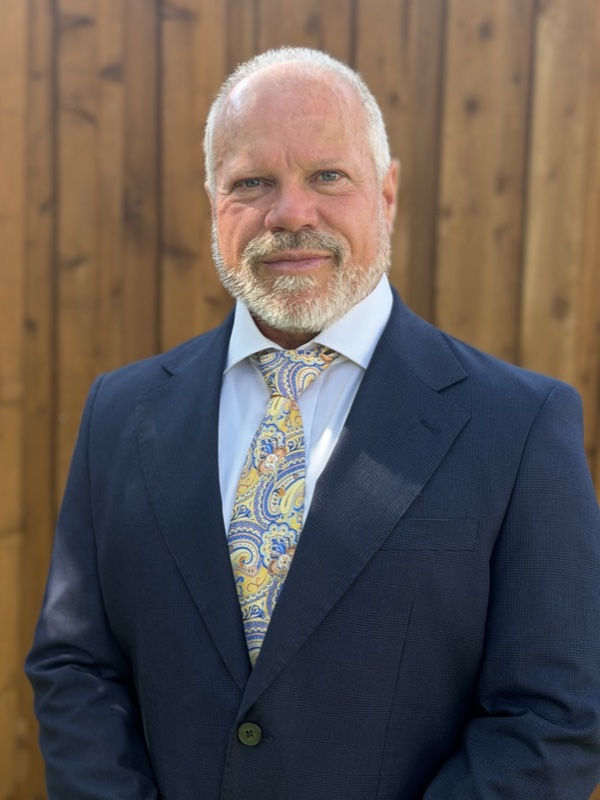
The Founder
Todd Condiff
"I have over 35 years' experience owning and operating several businesses, and I am confident this will be the most successful and fulfilling of all my endeavors."
Todd Condiff is a Gold Star father — the father of Staff Sergeant Cole Condiff, an Air Force Special Operations Combat Controller who gave his life in service to this nation.
Cole left behind two young daughters. His oldest has been in therapy since his death, working through grief that evolves as she grows older. Todd has watched closely, seeing both the life-changing impact of professional therapy and the devastating shortage of accessible mental health care for military families.

Cole's wife and daughters — the family he left behind, and the reason NARCO exists.
Rather than accept this gap as inevitable, Todd committed himself to closing it. With 35+ years of business leadership, he began building NARCO — a nationwide network of free counseling centers for service members, veterans, and their families.
NARCO is not a government program. It is not a corporate initiative. It is one father's answer to a national failure — built in honor of a son who deserved a world where those who serve come home and receive the care they need.
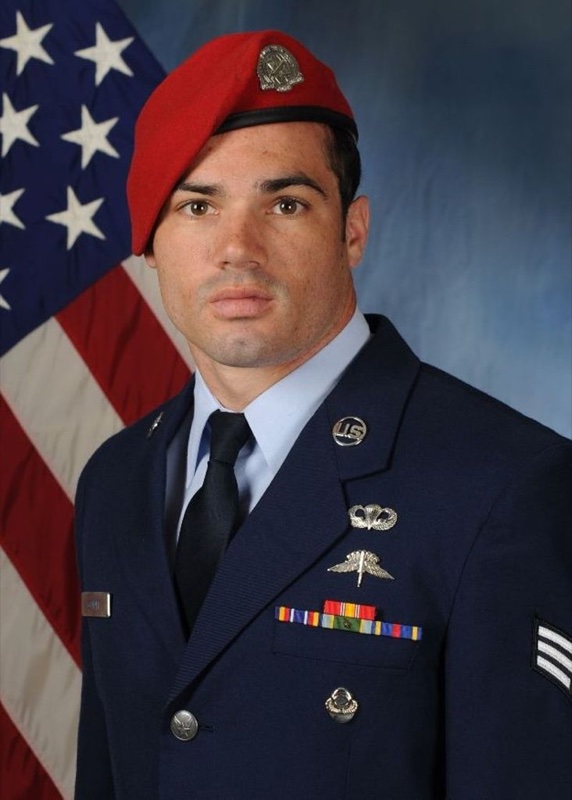
Staff Sergeant Cole Condiff
Air Force Special Operations Combat Controller
Cole served his country with valor as a Combat Controller — one of the most demanding roles in the Air Force Special Operations Command. His sacrifice, and the struggles his family faced in the aftermath, are the reason NARCO exists.
Read Cole's obituaryOur Mission
To establish a comprehensive mental health therapy and counseling program aimed at reducing depression, anger, violence, and relationship challenges among military personnel, veterans, their families, and individuals with mental health conditions — provided free of charge to ensure full accessibility.
Core Objectives
- Reduce suicide rates among veterans, military personnel, and individuals facing mental health challenges
- Transition veterans and families from "survive" to "thrive"
- Provide accessible therapy to mitigate violent tendencies and improve relationships
- Offer care for substance abuse and addiction
- Build a scalable, replicable model for free mental health services nationwide
Why This Can't Wait
The gap isn't just access.
It's what happens after.
Mental illness touches far more of the country than veterans alone — and even inside the VA system, most people who start treatment for PTSD never finish it.
1 in 5
U.S. adults (23.4%) experience mental illness each year
1 in 20
U.S. adults (5.6%) experience serious mental illness each year
1 in 7
U.S. youth 6–17 (16.5%) have a mental health disorder each year
75%
of lifetime mental illness begins by age 24
2nd
leading cause of death for ages 10–24 is suicide
The Cost of Going Untreated
$25,684
per veteran / service member, per year
$18,640
per civilian, per year
That's the annual cost of untreated PTSD — mostly direct health care and disability payments for veterans, health care and lost work for civilians. Against that, NARCO delivers a full year of professional care for an estimated $950–$1,900 per person.
The Treatment Gap
58%
of VA patients with PTSD start therapy
33%
of those complete 8+ visits
42%
don't or can't get the help they need
Even within the VA system, most people who begin treatment for PTSD don't finish it — cost, transportation, and scheduling get in the way. NARCO is free forever, comes to people through mobile counseling, and removes the friction that causes care to stall.
Sources: SAMHSA 2024 National Survey on Drug Use and Health · JAMA Pediatrics · NIMH · NCBI/PubMed (Kessler et al.) · PMC (Rosen et al.; Cohen et al.) · Wounded Warrior Project, 2025 Warrior Survey
Our Clinician
Nash M Condiff, LPC

Nash M Condiff
Licensed Professional Counselor (LPC)
Dallas–Fort Worth Metro Area · Mobile therapy available
Nash M Condiff is a Licensed Professional Counselor serving veterans, military personnel, and their families in the Dallas–Fort Worth area. Nash provides individual and group therapy with a focus on depression, PTSD, trauma, anger management, and relationship challenges — delivered with confidentiality, compassion, and clinical expertise. NARCO's mobile therapy program extends Nash's reach to those who cannot access traditional clinic settings.
Letters of Support
Endorsed by those who serve.
NARCO's mission has earned the support of military organizations and leaders who see this need firsthand every day.
"This program’s commitment to reducing mental health barriers and fostering resilience among veterans is a critical step in improving their quality of life."
COL (Ret) Sean Corrigan
Executive Vice President
Special Operations Warrior Foundation · January 28, 2025
"This program’s focus on group therapy sessions provides a vital resource for addressing these issues in a supportive and structured environment."
Jake Sevy, SMSGT, USAF
Operations Superintendent & Wellness Advocate
Special Warfare Training Wing · February 20, 2025
"Turning such profound loss into purpose reflects the very best of our Nation’s spirit. ... I will always stand by our Gold Star Families."
The White House
Letter to Todd Condiff
Washington, D.C. · March 25, 2026
The National Vision
10 facilities. 10 mobile units.
21,000–42,000 lives per year*.
NARCO's expansion plan is built on VA and DoD data identifying the cities with the greatest concentration of underserved veterans and military families.
Static Facilities
48–60
Sessions / week
480+
Attendances / week
23,040+
Session capacity / year
~$950–$1,900
Cost per person / year
Funding requested: $4,000,000 per facility per year — a 10+ year commitment to sustainable care.
Mobile Counseling Units
24
Sessions / week
240+
Attendances / week
11,520+
Session capacity / year
~$348
Cost per person / year
Funding requested: $1,000,000 per mobile unit — includes vehicle, salaries, equipment, insurance, and operations.
$950–$1,900*
Estimated cost per individual per year at full scale
Untreated PTSD costs a veteran roughly $25,000 a year in health care and disability payments. NARCO delivers a full year of professional mental health care for a fraction of that. No program in America delivers comparable value.
PTSD, Mental Health Treatment Utilization, and Cost Estimate Disclaimer
Post-traumatic stress disorder (PTSD) and other mental-health conditions represent a significant need among Veterans, military service members, and their families. The U.S. Department of Veterans Affairs (VA) reports that approximately 6% of U.S. adults experience PTSD during their lifetime, while nationally representative Veteran data have identified higher rates among Veterans. Among Veterans who utilize VA health care, the prevalence of PTSD is substantially higher than among Veterans who do not use VA health care. PTSD may also occur together with depression, anxiety, substance-use disorders, and other mental-health conditions, potentially increasing the need for counseling and supportive services.
For purposes of North America Rehabilitation Counseling (NARCO)'s financial and program planning only, NARCO may use an estimated average of approximately 22 counseling/mental-health visits per participant per year as a planning assumption, based in part on historical VA utilization data showing approximately 22 mental-health outpatient encounters for Veterans in a PTSD diagnostic cohort. This figure is not a clinical requirement, treatment standard, prediction, or guarantee that any individual participant will require or receive 22 visits. Actual utilization may be substantially higher or lower depending upon the participant's diagnosis, severity of symptoms, treatment plan, clinical progress, availability of services, referrals, insurance or governmental program requirements, and the independent professional judgment of the treating clinician.
Any dollar amount associated with the estimated number of visits is likewise a NARCO planning estimate only and should not be interpreted as a guaranteed reimbursement rate, actual market cost, allowable governmental reimbursement, or guaranteed expenditure. For example, if NARCO uses a preliminary planning assumption of $200 per visit, 22 estimated visits would produce a planning estimate of $4,400 per participant per year. This calculation is provided solely for budgeting, forecasting, donations, and program-planning purposes. Actual costs may vary considerably based on provider compensation, facility and administrative expenses, geographic location, insurance or government reimbursement requirements, service type, group versus individual treatment, treatment duration, participant needs, and other operating factors.
Disclaimer: All utilization, visit, and dollar figures presented by NARCO are estimates developed for planning and budgeting purposes and are not guarantees of treatment utilization, reimbursement, revenue, expenses, participant outcomes, or funding. Nothing in these estimates is intended to establish a medical necessity determination or prescribe the number of counseling sessions any individual should receive. Treatment frequency and duration must be determined on an individual basis by appropriately licensed and qualified healthcare professionals in accordance with applicable laws, regulations, professional standards, and the participant's individualized treatment needs. NARCO reserves the right to modify these estimates as additional clinical, operational, reimbursement, and financial data become available.
Ready to take the first step?
Whether you need help or want to help, there's a place for you in this mission.